Final Demonstration of the DEFRA BOLSTER Project: A Major Step Forward for Crisis-Response Tactical Networksur les réseaux tactiques de crise
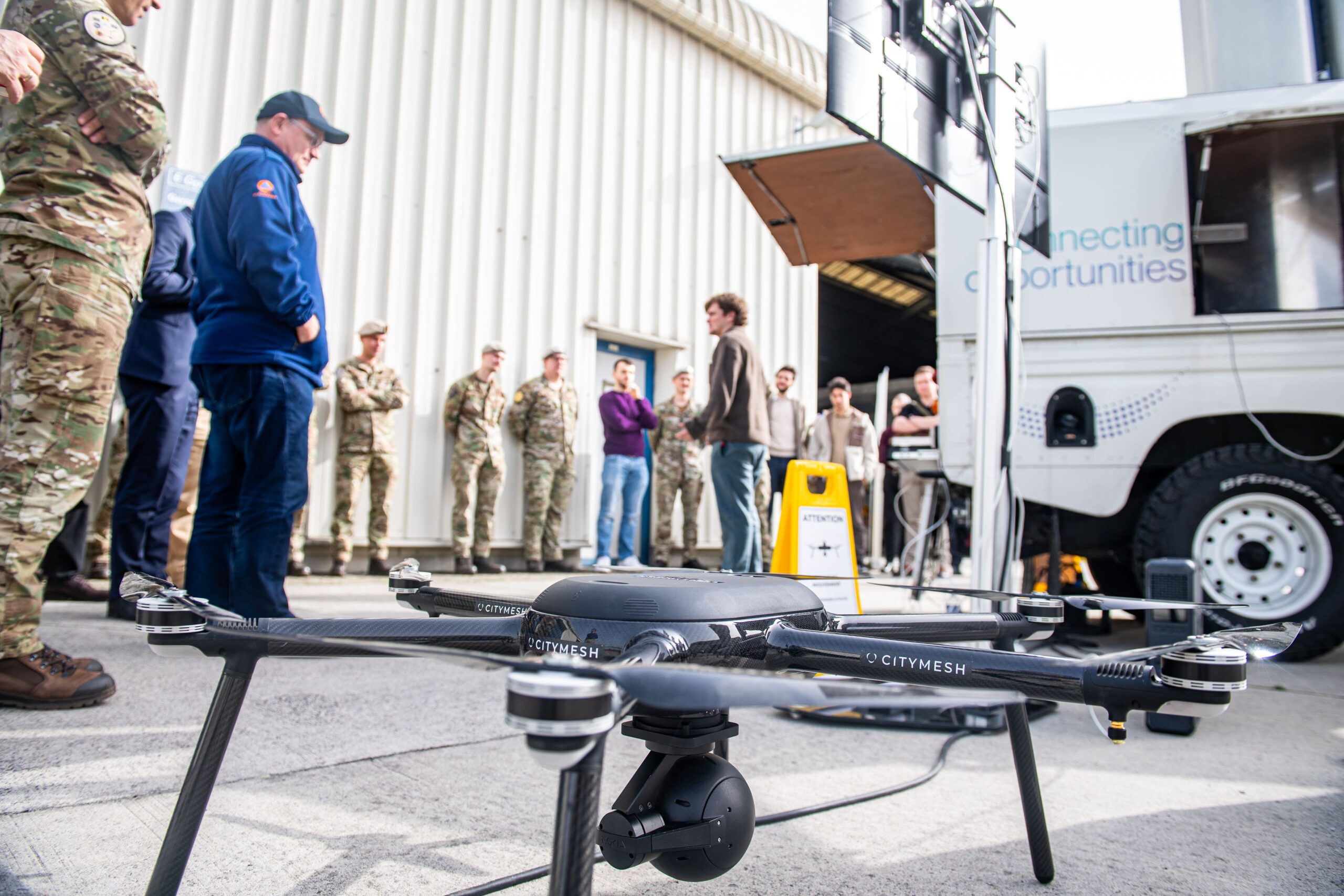
On 6 March 2026, the Belgian Defence hosted the closing demonstration of the BOLSTER project, an initiative supported as part of the DEFRA (Defence-related Research Action) programme. The demonstration took place in the presence of the scientific and industrial partners who shaped this project, the impact of which is expected to be decisive for the future of tactical communications.
A DEFRA Project at the Service of the Belgian Defence
The DEFRA programme, led by the Royal Higher Institute for Defence (RHID) in collaboration with BELSPO, finances innovative research projects aimed at strengthening Defence’s operational capabilities. It fosters collaboration between Defence, academia and industry to develop technological solutions tailored to future security challenges.
👉 For more information on
DEFRA
BOLSTER: a Beyond-5G Tactical Mobile Network for Crisis Situations
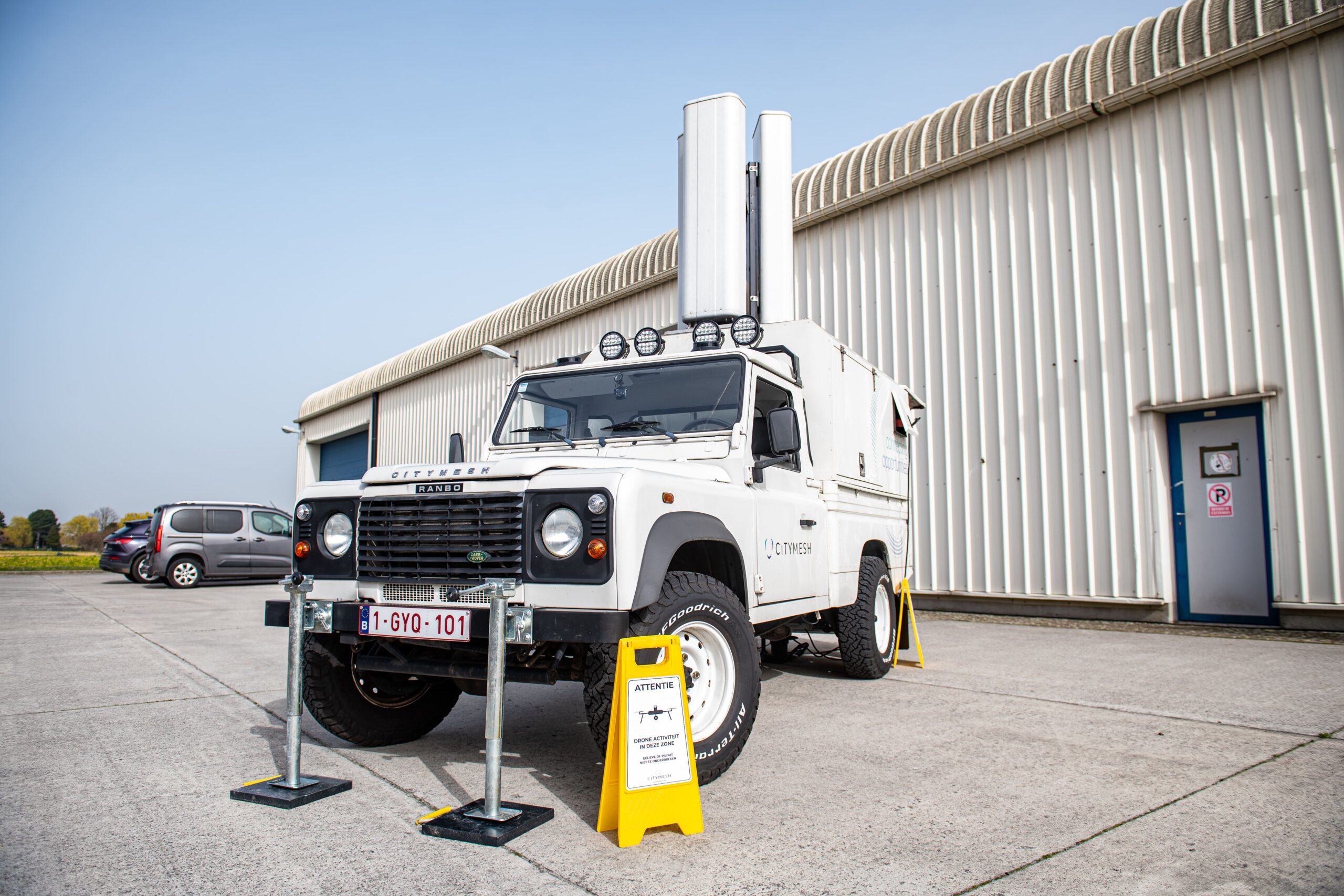
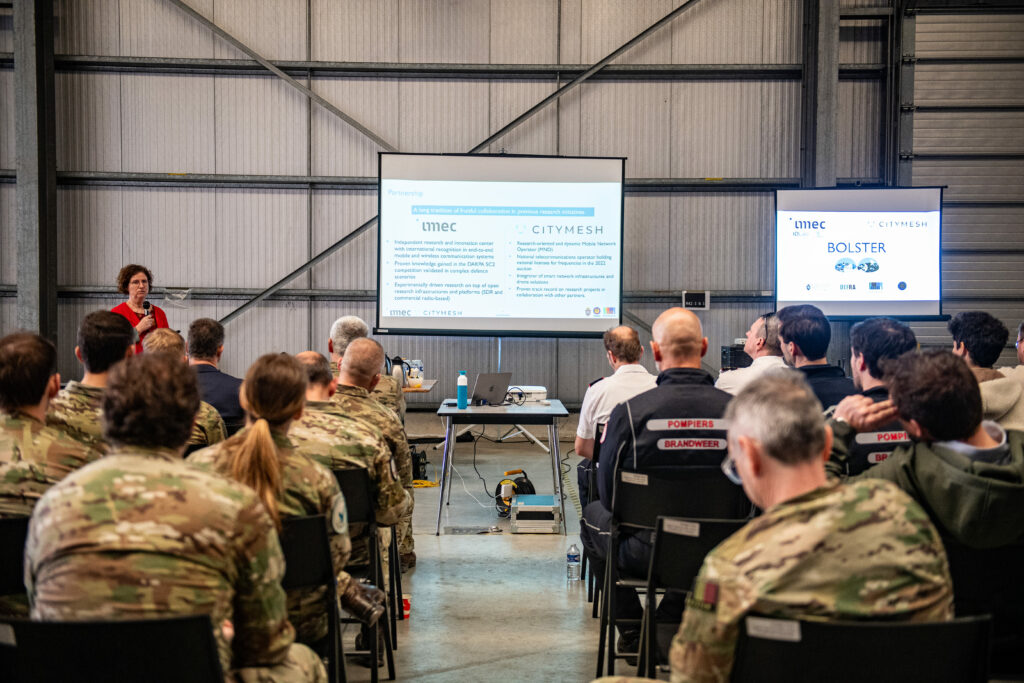
The BOLSTER project is the result of collaboration between IMEC IDLab UGent and Citymesh. It aims to design, develop and validate a fully autonomous Beyond 5G (B5G) mobile architecture capable of ensuring critical communications during crisis operations.
Building on lessons learned from events such as the 2021 floods in Wallonia, the nationwide manhunt for a radicalised citizen (also in 2021) and the 2016 terrorist attacks, BOLSTER addresses a crucial need: ensuring reliable communications when fixed infrastructures are limited, saturated or failing.
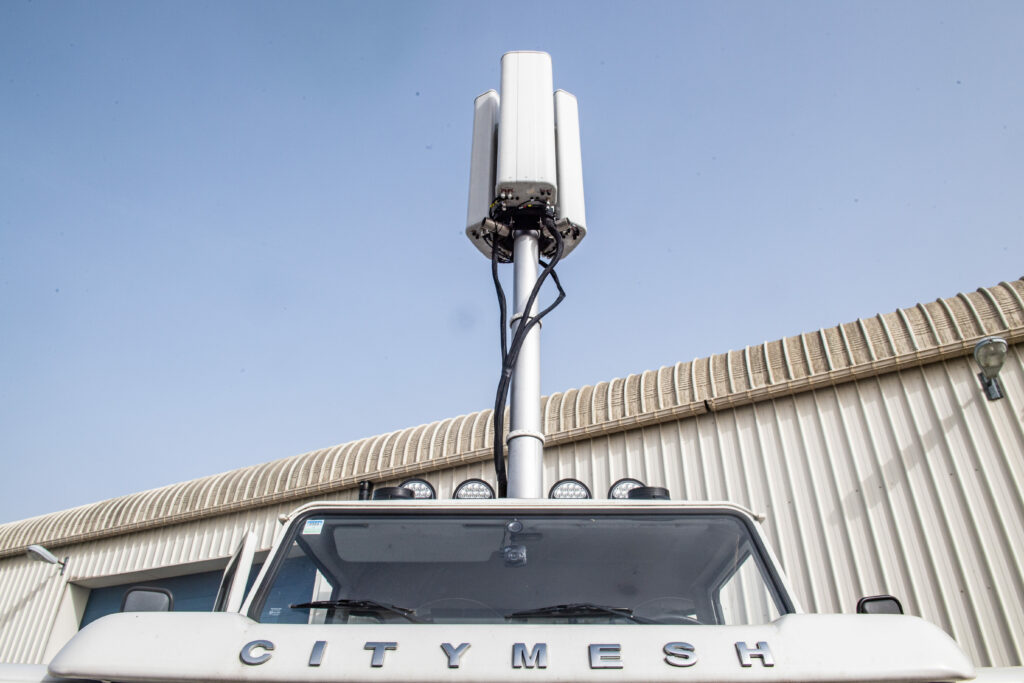
Simulating a Crisis Operation
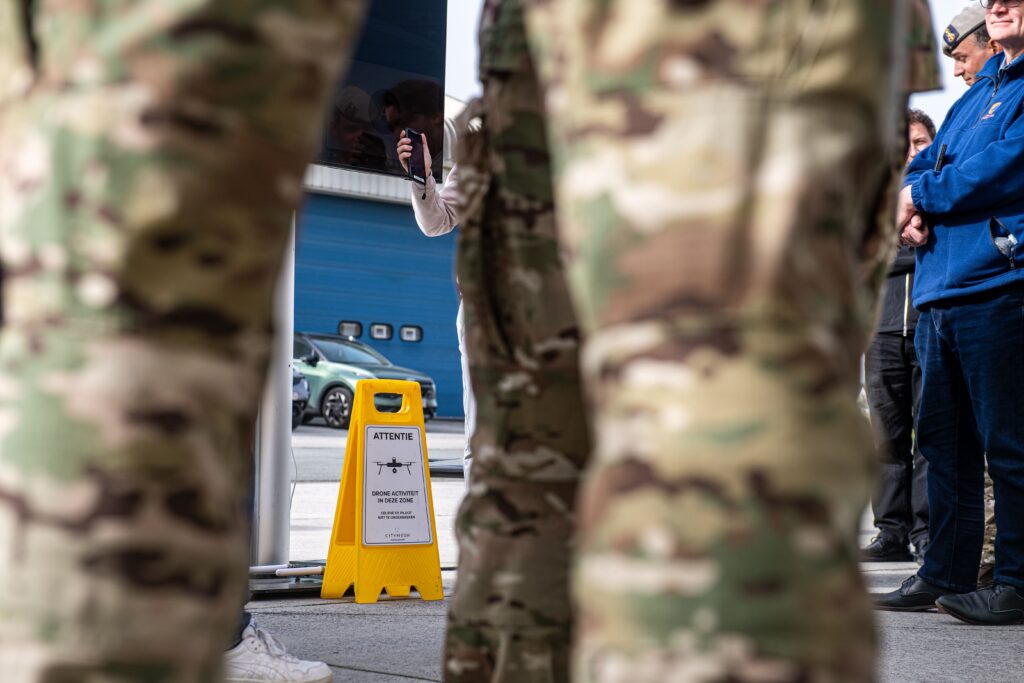
The demonstration on 6 March made it possible to present the output of the project in a realistic operational setting through a full-scale simulation. BOLSTER clearly demonstrated its ability to rapidly deploy a fully autonomous tactical mobile network, ensuring operational continuity in situations where conventional infrastructure would be unavailable.
Thanks to the intelligent use of the radio spectrum – made possible by integrating advanced artificial intelligence and machine learning algorithms – the system can analyse potential sources of interference in real time, identify available frequencies and automatically optimise the allocation of radio resources. This approach not only maintains a high level of service quality but also guarantees network resilience in dynamic and unpredictable environments.
🎥 Project presentation video:
Significant Impact for Defence and the Civilian World
Citymesh also anticipates civilian applications for these solutions, particularly for large-scale events, public protection and disaster relief (PPDR) interventions, or private deployments requiring fast, reliable and flexible connectivity. In the long term, the technologies developed through this project could transform the way communications are ensured in temporary or critical environments by offering mobile alternatives to traditional infrastructures.
The Role of the RHID: Driving Innovation in Belgium
Through its support for the DEFRA programme and large-scale projects such as BOLSTER, the RHID confirms its essential role in developing scientific and technological research in Belgium. By favouring synergies between Defence, universities and industrial partners, the RHID actively contributes to strengthening the country’s technological sovereignty and preparing the Defence capabilities of tomorrow.